
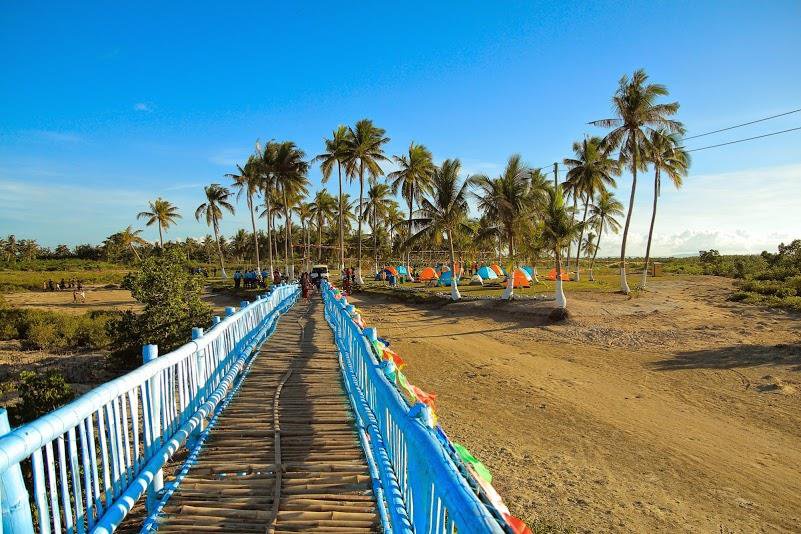
Not a lot of people are probably aware of this but Olango Island does not actually just refer to a single island but to 7 small islands namely Olango, Sulpa, Guilotongan, Nalusuan, Caohagan, Camungi and Pangan-an. Exploring Olango island’s vast flatlands As part of its topographical overview, it has adjacent and neighboring islets with have a total land area of approximately 10.3 square kilometers. Moreover, the said island group is under the lawful jurisdiction of the City of Lapu Lapu and Cordova municipalities, respectively. Hence, the fascinating and mysterious Island of Olango is a part of Cebu Province. Best of all, it is known for it’s well preserved wildlife sanctuary. – The Olango Wildlife Sanctuary. This place is a major tourist destination not just among local Cebuanos but also among foreign visitors visiting Cebu.
Along the vastness and splendid charismatic natural endowment of Olango, everyone can find the reef-flat lagoon which caressingly encapsulates the overpowering archipelago of Cebu. Having blessed with such one of a kind natural resource, the island of Olango is considered by historians of the Philippines as one of the most extensive reef areas in Central Visayas, Aside from its eye catching beaches, there is also a rocky shoreline, inshore flats, colorful sea grass beds, well-conserved mangrove forests, salt marsh grass and lots of other unique natural resources which make this tourist destination truly unforgettable and worth visiting. .
How to Get to Olango Island There are two ways to get to the main island of Olango. The most popular way, which is also what most residents use, is via the port beside Movenpick Resort (previously Hilton Hotel). To get to the port, simply ride a jeepney plying the Punta Engaño route and have yourself dropped off near the hotel. Another way would be from the Angasil Port found near what was formerly known as the Portofino Resort. Both rides take about 20 minutes and cost around Php15 per person, including the terminal fee.
Things to Do in Olango Island
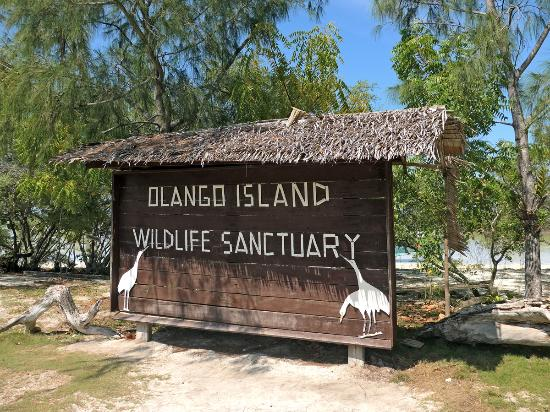
The island of Olango is most popular for the 920-hectare Olango Island Wildlife Sanctuary. We suggest visiting the island during the winter months (November to February), when migratory birds from Northern China, Siberia and Japan make their stop. You can see about 97 species of birds around the island, 48 of which are migratory birds. If you are interested in the coastal ecosystem, you can also opt to visit any point in the island and explore its flatlands, offshore coral reefs and mangroves. The mangroves in Olango are among the most extensive in the entire province and you can join in the planting at the Payag sa Asinan Eco-Tourism Park. And, once you are already in the island, you might as well not want to miss out scuba diving.
The island has three major dive sitesnamely Mabini Point, Baring and Santa Rosa. These dive sites can offer different experiences:
Mabini Point is known for its strong and unpredictable currents; Baring as one of the deepest wall dives; and Santa Rosa for its sandy bottom which eventually leads to a 50-meter dive. If none of these water activities interest you, you can always opt to rent a bike (or bring your own) and cruise around the island at your own pace. Cool, huh?
Where to Stay in Olango Island There are numerous options for guests visiting the island. We suggest that you try anyone of these places, depending on your budget and preferences:
Talima Beach Villas and Dive Resort
This place provides a high level of comfort for all its guests and has amenities such as an infinity pool, wellness massages and other aesthetic services. Guests also get access to a 14-hectare fish sanctuary where they can snorkel around. Many visitors also frequent this place as they provide scuba diving opportunities around the neighborhood.
Isla Bonita Inn
For a no-frills accommodation, try visiting this simple hotel is great if you are simply looking for a place to sleep in, without it having a lot of fancy add-ons. Aircon rooms for double occupancy are pegged at Php800 per night. And, while you cannot enjoy cable TV at night, there is always the videoke to while away the time. Shalala Beach Rooms and Cottages If you are looking for a cheap accommodation and still enjoy a beachfront, try this one out. It’s pretty cheap at just Php1000 for a fan room of two — and you get all the mangrove, sand and sea that you want. If you explore around either on foot or on a kayak, you might just get to see the birds up close and in person.
Payag sa Asinan Eco-Tourism Park
If you are in for a one-of-a-kind experience, head out to this eco-tourism park found in the island. We were able to camp out in Payag sa Asinan (literally, the Hut in Asinan) and it only cost us Php80 for a family of three (toddlers are free of charge, of course). You can also do all sorts of activities including mangrove planting, canoeing/kayaking, fish feeding and more.
What to Eat in Olango Island
Most residents on the island live off from fishing so you will never run out of seafood to eat while you are here. We suggest feasting on saang or spider shells which cost as low as Php7 each. Many kinds of fish are also available here and we were able to buy a huge one at a bargain price of Php150 per kilo. Resort restaurants may cost a little bit more.
https://www.youtube.com/watch?v=Ms5qtyaMyd4
-Cherry May Santillan
12- Accountability
 Aventurier